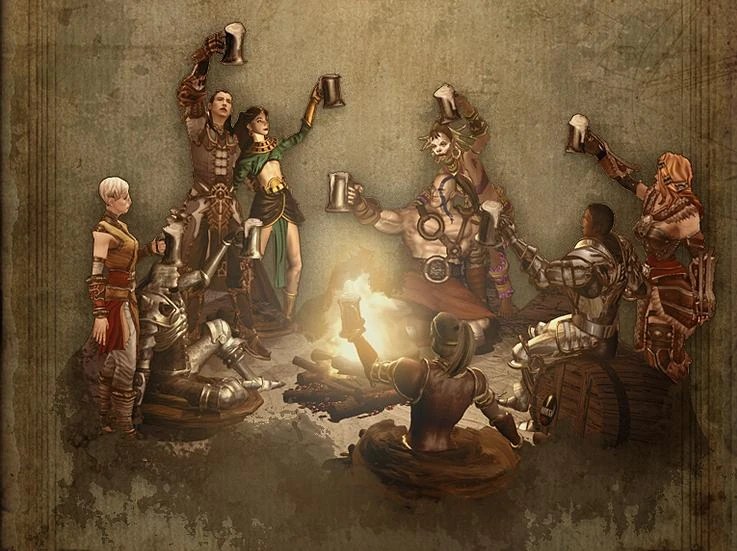
Overview of Diablo IV
Diablo IV marks the return to the series’ dark roots, offering players a gothic action-RPG experience set in the harrowing world of Sanctuary. The game is steeped in themes of fear, suffering, and the eternal struggle between good and evil, creating an atmosphere that is both immersive and ominous. The meticulous art design reflects these themes, featuring bleak landscapes, grotesque creatures, and an overall aesthetic that evokes a sense of dread and despair.
The dark and gothic elements are crucial to both the art design and the storytelling of Diablo IV. Inspired by classic horror, the visual style includes intricate details, such as decaying architecture, shadowy forests, and blood-soaked battlefields, which enhance the narrative’s intensity. The storytelling is woven through environmental cues and character interactions, making the world feel alive with history and pain.
Comparison with Previous Installments
Diablo IV maintains the franchise’s legacy while introducing new gameplay mechanics and visual styles that set it apart. The table below summarizes key differences and similarities between Diablo IV and its predecessors:
| Feature | Diablo III | Diablo IV |
|---|---|---|
| Visual Style | Bright, colorful environments | Dark, gothic atmosphere |
| Gameplay Mechanics | Linear progression | Open-world exploration |
| Character Classes | Five classes | Five classes with deep customization |
| Multiplayer Features | Instanced play | Shared world with cooperative elements |
Shared World Elements
Diablo IV introduces innovative shared world features, allowing players to interact with one another in a persistent online environment. This design encourages collaboration, as players can team up to tackle formidable enemies, explore dungeons, and participate in world events. The integration of shared world mechanics enhances the sense of community and shared experience within the game.
While there are numerous benefits to shared world mechanics, such as spontaneous encounters and increased enemy challenges, there are also challenges. Players may experience issues like overcrowding in certain areas, which can impact the pacing of gameplay, and the potential for unbalanced encounters in player-versus-player scenarios.
Player Interaction
To illustrate the dynamics of player interaction within the shared world, a graphic representation could show various activities like cooperative quests, PvP zones, and world events. This visual would emphasize how players influence each other’s experiences and contribute to the game’s ever-evolving landscape.
Character Classes and Customization: Diablo IV – Dark, Gothic Action-RPG With Shared World Elements.
Diablo IV features five distinct character classes, each with unique abilities and play styles that cater to different player preferences. The classes include the Barbarian, Sorceress, Druid, Rogue, and Necromancer, each offering a diverse set of skills and strategies for combat.
Character customization is a significant aspect of player identity in Diablo IV. Players can tailor their characters not just in appearance but also in skill trees, allowing for a personalized gameplay experience. This depth of customization enhances the connection to one’s character and can significantly impact how each player approaches challenges in the game.
Class Comparison
A comparison chart below illustrates the strengths and weaknesses of each character class, helping players decide which class best suits their gameplay style.
| Class | Strengths | Weaknesses |
|---|---|---|
| Barbarian | High damage and durability | Limited range capabilities |
| Sorceress | Powerful spells and area damage | Low health and defense |
| Druid | Versatile with shapeshifting abilities | Requires careful resource management |
| Rogue | Agile and stealthy attacks | Fragile and dependent on positioning |
| Necromancer | Summons minions for support | Requires time to build swarm |
Combat System
The combat mechanics in Diablo IV are robust and engaging, featuring complex skill trees that allow players to customize their abilities and combos effectively. Players can choose from a variety of attacks, each tailored to exploit enemy weaknesses, and adapt their strategies based on the types of foes encountered throughout their journey.
The combat system significantly enhances the dark, gothic atmosphere of the game. Each encounter feels weighty and impactful, driven by the visceral experience of battling against harrowing creatures in a cursed world. The game’s design encourages players to experiment with different strategies and approaches, adding depth to the gameplay.
Combat Strategies, Diablo IV – Dark, gothic action-RPG with shared world elements.
Below is a table listing various combat strategies tailored for each character class, highlighting optimal tactics for defeating enemies.
| Class | Combat Strategy |
|---|---|
| Barbarian | Utilize crowd control with area attacks |
| Sorceress | Focus on elemental damage to exploit enemy weaknesses |
| Druid | Switch forms to adapt to combat situations |
| Rogue | Employ hit-and-run tactics for maximum damage |
| Necromancer | Summon minions to distract and overwhelm foes |
Narrative and Lore
The story arc of Diablo IV unfolds in a dark and tumultuous world where the forces of evil threaten the fabric of reality. Key plot points involve the return of the demoness Lilith, whose presence reignites the age-old conflict between humanity and the darkness. Players navigate through various quests that reveal the rich lore of Sanctuary, deepening their understanding of the game’s universe.
The lore significantly contributes to the immersive experience of Diablo IV, with countless tales of tragedy, heroism, and corruption that echo throughout the game world. Each character and location is steeped in history, making exploration feel meaningful and impactful.
Timeline of Significant Events
A structured timeline detailing pivotal events in the lore connects the narrative threads from previous games, enriching the player’s journey through the dark legacy of Sanctuary.
1. The Rise of Lilith: The return of Lilith sets the stage for the unfolding conflict.
2. The Fall of Heroes: Notable heroes from past battles face their ultimate challenges.
3. The Gathering of Forces: Various factions unite or clash as the dark tides rise.
4. The Awakening of Ancient Evils: Players encounter terrifying foes that have been dormant.
5. The Final Confrontation: Key battles that determine the fate of Sanctuary and its inhabitants.
World Design and Exploration
The world design philosophy in Diablo IV emphasizes exploration and discovery, inviting players to traverse vast landscapes filled with secrets and dangers. The open-world layout allows for a more organic experience, where players can uncover hidden quests and lore through their journeys.
Various locales within the game showcase gothic elements, such as decrepit castles, haunted forests, and cursed villages. Each environment is meticulously crafted to enhance the game’s dark tone while providing a rich backdrop for adventure.
Game World Layout
A structured layout of the game world includes significant landmarks and points of interest. Notable areas may include:
– The Cathedral of Light: A central hub for quests and lore.
– The Haunting Woods: A treacherous forest filled with lurking dangers.
– The Ruins of Tristram: Echoes of the past where players can delve into history.
– The Abyssal Depths: A challenging dungeon filled with powerful enemies and rare rewards.
Multiplayer Features
Diablo IV incorporates multiplayer aspects that enhance both cooperative play and PvP elements. Players can join forces to tackle challenging content or engage in player-versus-player arenas, allowing for a dynamic multiplayer experience.
These multiplayer interactions enrich the game’s storytelling, as players share their triumphs and failures, further deepening their connection to the dark narrative. The shared world aspect creates a living, breathing environment where players can witness the impact of their actions on the broader community.
Multiplayer Modes
The table below summarizes different multiplayer modes available in Diablo IV, highlighting their unique features and interactions.
| Multiplayer Mode | Features |
|---|---|
| Cooperative Play | Team up for quests and world events |
| Player-versus-Player | Engage in combat with other players in designated zones |
| World Events | Collaborate to defeat powerful bosses and gain rewards |
| Guilds and Communities | Join forces with other players for shared goals and activities |
Reception and Community Feedback
The initial reception of Diablo IV has been overwhelmingly positive, with players and critics praising its return to a dark aesthetic and complex gameplay mechanics. The community has responded enthusiastically to the game’s immersive world and deep storytelling.
Community feedback has significantly influenced updates and game development, with developers actively engaging with players to address concerns and enhance the gaming experience. Ongoing discussions and suggestions have fostered a dynamic relationship between the developers and the player base.
Community-Driven Content
Since the game’s release, various community-driven events and content have emerged, showcasing player creativity and commitment. Examples include:
– Fan Art Contests: Celebrating the artistic talents inspired by the game.
– Streaming Events: Players sharing gameplay experiences, tips, and community challenges.
– Lore Discussions: Forums dedicated to analyzing and theorizing about the game’s narrative.